
The Impact Network Transformation on Modern Businesses

The photo depicts a cheerful man in a modern office, surrounded by computers and office supplies, suggesting a profession in digital technology or data analysis.

Introduction

In the fast-paced world of digital business, network transformation has emerged as a critical strategy for companies aiming to enhance their operational agility and meet evolving technological demands. As industries increasingly rely on digital customer engagement, cloud computing services, big data, and IoT, the need for robust, scalable, and secure network infrastructures has never been greater.

Network transformation involves the comprehensive revamping of traditional network architectures to support advancing technologies, thereby enabling businesses to drive growth and innovation. This process is essential for adapting to the rapid changes in technology and market conditions, allowing companies to remain competitive and forward-thinking in their approach to business growth.

What is Network Transformation

Network transformation is the comprehensive overhaul of a business’s network infrastructure to adapt to new technological demands and improve performance, scalability, and security. It involves taking advantage of the country’s investment in NBN fibre and integrating cutting-edge technologies such as Software-Defined Networking (SDN), cloud computing, and advanced cybersecurity measures. This transformation enables organizations to manage their networks more efficiently and respond more rapidly to changes in the business environment. Through such upgrades, companies can enhance connectivity, improve system management & customer experience, and support future technological integrations, thereby facilitating a smoother path towards digital modernization.

shows two professionals, a man and a woman, discussing code on computer screens in a modern, well-lit office, indicating a collaborative work environment in the tech industry.

Driving Force Behind Network Transformation Projects

The push towards network transformation is largely driven by rapid advancements in technology and the growing demands of the digital economy. Businesses are increasingly reliant on cloud technologies, big data analytics, and the Internet of Things (IoT), which require robust and agile network infrastructures. This need for faster, more reliable, and secure networks is compelling companies to rethink their traditional network setups. By transitioning to modern, secure and  scalable network architectures, businesses can effectively adapt to technological changes and market demands, ensuring they remain efficient and competitive in an ever-evolving landscape.

Enhancing Business Agility

Network transformation is pivotal in enhancing business agility, allowing companies to respond swiftly and effectively to market demands and technological changes. This transformation facilitates quicker deployment of new applications and services, streamlined operations, continuous innovation and a more robust own model in response to customer demands and competitive pressures.

By leveraging advanced networking technologies like SDN and cloud computing, businesses can dynamically adjust their network resources, improving operational flexibility and decision-making speed. This strategic update not only modernizes infrastructure but also maximizes the agility with more flexibility provided by modern network solutions, helping businesses maintain their competitive edge in an ever-changing market environment.

Boosting Operational Efficiency

person holding a smartphone displaying a health app, alongside a laptop, a glucometer, and diabetes management tools on a desk, illustrating the integration of mobile technology in health monitoring.

Network transformation is critical for enhancing operational efficiency within modern enterprises. By upgrading network infrastructures to more advanced systems, companies can achieve significant improvements in speed and data management, often while reducing telecommunication costs. These upgrades reduce latency, increase throughput, and streamline network operations, directly impacting productivity and operational costs.

Advanced network systems typically incorporate automated management tools and cloud-based solutions, which facilitate more efficient resource use and reduce the workload on IT departments. This streamlined approach not only supports current operational demands but also scales effectively to meet future business needs, ensuring ongoing efficiency and performance enhancement.

Greater Scalability and Flexibility

Network transformation is integral to achieving greater scalability and flexibility within organizations. As businesses grow and their needs evolve, traditional network infrastructures often struggle to keep pace. Transforming these networks with modern technologies like cloud services and virtualization enables organizations to scale resources up or down based on demand, without the constraints of physical hardware limitations.

This ability and adaptability are crucial for handling peak loads during high-demand periods and scaling back during quieter times, ensuring that the company and network always operate efficiently. By embracing network transformation, companies can better support future growth and adapt quickly to changing market conditions.

Improved Security and Compliance

a woman and a man collaborating intently at a computer screen in a dimly lit office, suggesting a focused work environment in the tech or creative industries.

Network transformation not only enhances operational efficiency but also significantly strengthens security measures and compliance with industry regulations. By incorporating the latest security technologies such as advanced encryption, firewall enhancements, and AI intrusion detection systems, transformed networks are better equipped to protect sensitive data and prevent cyber threats. Additionally, these modern networks can more readily adapt to changing compliance requirements, ensuring that organizations stay aligned with legal standards.

This proactive approach to network security reduces the risk of data breaches, reduces costs, and builds trust with customers, making it a critical component for the success of any business operating in today’s digitally driven marketplace.

Challenges to Network Transformation

Network transformation, while offering numerous benefits, presents several challenges that can impede progress. One of the primary hurdles to a network overhaul is the integration of new technologies with existing legacy systems. This integration often requires careful planning and skilled technical expertise to ensure compatibility and minimize disruptions to ongoing operations. Additionally, the complexity of new network architectures can pose significant challenges, requiring organizations to invest in training for IT staff to manage these advanced systems effectively.

Another major challenge can be a substantial investment may be needed for network transformation. Upgrading network equipment and infrastructure can involve significant capital expenditure, which can be a barrier for many organizations. There is also the challenge of justifying the return on investment to stakeholders, particularly when benefits, such as increased efficiency and enhanced security, may take time to manifest visibly. Strategic planning and clear communication of the long-term advantages of network equipment are essential to overcoming these potential financial hurdles.

Overcoming Technological Barriers

The image displays a man interacting with a futuristic interface showing a network of icons connected to a central chip, symbolizing advanced technology integration and data connectivity in business or computing environments.

Technological barriers are among the most significant challenges faced during network transformation. The adoption of new technologies can be daunting, especially when it involves replacing or integrating with well-established legacy systems. These barriers often stem from the complexities of new technologies that require specialized knowledge and skills that may not be readily available within the existing workforce. Ensuring compatibility and minimizing disruptions to current operations are also critical factors that need careful management.

To overcome these technological barriers, organizations must prioritize training and possibly hiring new talent with the requisite technical expertise. It’s also beneficial to partner with independent organizations who offer comprehensive support and services tailored to the specific needs of the business. By addressing these barriers with a proactive approach, businesses can facilitate a smoother transition and capitalize on the benefits of modernized network infrastructure more quickly.

Managing the Cost of Transformation

The financial aspect of network transformation can be daunting for many organizations. The initial costs associated with upgrading network infrastructure, integrating new technologies, and training staff can be substantial. These expenditures are necessary for creating a more efficient, secure, and scalable, network as a service, but require careful financial planning and justification to stakeholders concerned about the return on investment.

To effectively manage and control these costs, companies should adopt a phased approach to network transformation. By prioritizing areas that will deliver immediate savings and critical infrastructure for focus and immediate improvement and planning subsequent upgrades, businesses can spread out expenses while continuously benefiting from incremental enhancements. Additionally, exploring financial models like leasing or subscription services for hardware and software can reduce upfront costs and align expenditures with benefits received over time.

Addressing Cultural and Organizational Change

The image captures a diverse group of students actively engaged in a study session around a table, with one female student writing in a book, guided by another who is pointing something out, illustrating a collaborative and inclusive educational environment.

Cultural and organizational resistance can significantly impede the process of network transformation. As companies modernize their networks, the shift in technologies often enables changes in workflow, roles, and responsibilities, which can be met with resistance from employees accustomed to traditional methods. This resistance is primarily due to fear of the unknown and concerns about job security or increased complexity in daily tasks.

To navigate these challenges, leadership must foster and create an inclusive culture that embraces change. Effective communication, highlighting the benefits and potential pitfalls of transformation for the company and individual employees, is essential. Providing adequate training and support helps ease the transition, allowing staff to feel confident and competent with the new systems. Engaging employees early in the process and encouraging their input can also lead to smoother implementation and greater acceptance of new technologies.

Ensuring Continuous Operations During Transition

Maintaining continuous operations during a network transformation is crucial for businesses to avoid disruptions that can impact customer service and operational efficiency. The process of integrating new technologies while keeping existing systems running can be complex and requires meticulous planning. Ensuring that there is a robust failover and rollback strategy in place is essential to address any unforeseen issues that might arise during the transition.

Businesses should also implement a phased approach to the rollout of new network components. This strategy allows IT teams to test and refine each stage of the transformation, ensuring compatibility and minimizing impact on daily operations. Regular communication with all stakeholders about planned changes and potential impacts is critical. This transparency helps manage expectations and prepares the organization for any necessary adjustments during the transformation process.

Integration of IoT and Network Transformation

The integration of the Internet of Things (IoT) into network transformation projects is reshaping how businesses interact with their physical and digital environments. IoT devices generate a vast amount of data that requires robust network infrastructure to handle efficiently. Upgrading networks to accommodate IoT technology not only enhances data processing capabilities but also expands the potential for automation and real-time decision-making across various sectors, including manufacturing, healthcare, and retail.

By implementing advanced network solutions that support IoT, companies can unlock new opportunities for innovation and efficiency. This transformation allows for seamless connectivity between devices and better data insights, which can drive significant improvements in operational processes and customer experiences. As networks become more capable of handling IoT demands, businesses are poised to benefit from the enhanced intelligence and connectivity that these technologies offer.

The Influence of Artificial Intelligence

Artificial Intelligence (AI) is playing a transformative role in network management and operations. AI technologies enable networks to become more adaptive and intelligent, automating complex processes such as traffic management and network security. This automation not only enhances efficiency but also helps in proactively identifying and mitigating potential issues before they impact service quality.

Furthermore, AI-driven analytics provide deep insights into network performance and user behaviour, allowing for more precise and predictive maintenance strategies. This level of intelligence and automation is crucial for optimizing network resources and enhancing the overall end-user and experience, leading to more robust and responsive network environments.

The image depicts a professional woman and man intensely reviewing documents and a computer screen in a modern office setting, suggesting a collaborative discussion or review process.

Training and Skills Development for Future Networks

As network technologies evolve, the demand for specialized skills to manage and optimize these complex systems increases. Training and development become crucial for IT staff to keep pace with leveraging the latest network technologies such new solutions such as SDN, 5G, and IoT integrations. Investing in education and skill development ensures that employees are well-prepared to handle these advanced systems, which is essential for the smooth operation and security of modern networks.

Furthermore, continuous learning and development initiatives help retain top talent by providing career growth opportunities within the evolving tech landscape. Businesses that prioritize training are better equipped to leverage new technologies effectively, leading to more sales, improved operational efficiencies and innovative solutions. This focus on skill and knowledge development not only enhances the capabilities of individuals, leaders and team members but also boosts the overall competitiveness of the organization.

Evaluating the Impact of Network Transformation

shows a top-down view of four people engaged in a collaborative work session around a wooden table, using various devices like laptops and notepads, illustrating a modern, interactive team meeting.

Understanding the impact of network and digital transformation initiatives is essential for businesses to ascertain the value of their investments in new technologies. Key performance indicators (KPIs) like user experience (UX), network uptime, response times, and security incident rates are crucial for measuring the improvements in network infrastructure. These metrics help organizations evaluate the enhancements in network performance and operational efficiency, ensuring that the digital transformation efforts align with their strategic objectives.

Beyond technical metrics, evaluating the transformation’s impact on business outcomes, such as customer satisfaction and employee productivity, is also vital. This broader assessment of success helps justify the investments made in network transformation projects and provides valuable insights for future technology strategies, guiding decision-makers in ongoing network management and optimization efforts.

Future Trends in Network Transformation

The landscape of network transformation is continually evolving, driven by advances in technology and changing business needs. Emerging trends such as the increased adoption of edge computing, advancements in artificial intelligence for network management, and the broader deployment of 5G technology are shaping the future of network infrastructures. These innovations promise to enhance network speed, efficiency, and flexibility, offering new opportunities for businesses to innovate and improve their services.

Additionally, the integration of cybersecurity responsibilities with network operations is becoming more sophisticated, addressing the growing concerns about data privacy and security in an increasingly connected world. As these technologies mature, they will fundamentally alter how networks are constructed and managed, pushing companies to stay ahead of the curve to maintain competitive advantage and operational excellence.

Conclusion

The image shows five men in business casual attire, smiling and seated casually on steps in what appears to be an outdoor section of a modern office building, suggesting a relaxed yet professional team environment.

As we’ve explored, network transformation is not merely a technological upgrade but a strategic imperative for businesses aiming to thrive in the digital era. By integrating advanced technologies such as AI, IoT, and 5G into their infrastructures, companies enhance operational efficiencies, improve security, and gain the agility needed to swiftly respond to market changes. This commitment to network modernization is essential for securing a sustainable competitive advantage and fostering innovations that meet evolving customer demands.

Now is the time to act. Review your current network setup and assess its alignment with your own business growth goals. Consider engaging with professionals at Beyond Technology who can offer expert independent advice and support throughout your digital transformation journey. Taking proactive steps today will ensure your business remains resilient and dynamic in the face of future challenges.


What Is Network Transformation? A Guide for Australian Organisations

What Is Network Transformation? A Guide for Australian Organisations

Network transformation replaces a network that grew one decision at a time with one designed for what the business now needs: software-defined connectivity, security in the fabric, fast cloud access and contracts tested against the market.

Network transformation is the planned change of an organisation’s network from the architecture it grew into over the years to the architecture its business now needs: typically software-defined connectivity across sites (SD-WAN), security built into the network rather than bolted on at the edge, direct and reliable access to cloud services, and operations that can be seen and managed from one place. For Australian organisations it is usually prompted by a lease of an office ending, a move to cloud applications that the old network makes slow, a security review, or a carrier contract coming up for renewal. This guide covers what network transformation involves, what it is for, how to plan it, and how to keep the decision independent of the vendors who will want to sell it.

What network transformation means in practice

Most business networks were built one decision at a time. A head office link here, a branch connection added when the branch opened, a firewall bought after an incident, a wireless upgrade when the old one failed, and a set of carrier contracts that renewed on whatever terms arrived in the inbox. The result works, most days, and costs more than anyone can readily explain.

Network transformation replaces that accumulation with a design. The design starts from what the organisation needs to do (which applications, from which locations, for which people, with what tolerance for downtime) and works back to the connectivity, security and management that deliver it. The components are usually some combination of the following.

SD-WAN and software-defined networking

SD-WAN separates the control of the wide-area network from the physical links underneath it, so traffic can be steered across NBN, fibre, 4G or 5G links by policy rather than by hand. Sites get resilient, lower-cost connectivity and changes are made centrally. Inside the building, software-defined networking does the same for switching and wireless. The practical benefit is that the network becomes something the organisation can change in hours, not weeks, without a technician on site.

Security in the network fabric

Modern designs put security controls in the path of traffic wherever it flows, including to cloud services, rather than only at a head office firewall. That is the idea behind secure access service edge (SASE) and zero trust approaches: every user and device is verified, traffic to cloud applications is inspected without hairpinning through head office, and a branch or a home worker gets the same protection as the corporate office. For Australian organisations this maps directly onto the Essential Eight and the Privacy Act reforms, which expect control over who can reach what.

Cloud connectivity

When the applications live in Microsoft 365, a SaaS finance system and a hosted line-of-business platform, the network’s job is to get people to the cloud quickly and safely from wherever they are. Legacy designs that route all traffic through a central firewall make cloud slow and expensive. Transformation puts internet and cloud breakout where the users are, with the security to match.

Visibility and operations

A transformed network reports on itself: which links are up, how applications are performing, where the security events are. That visibility is what lets a small IT team run a large network, and what lets the organisation hold its carriers and service providers to account.

The carrier and contract layer

Underneath every design sits a set of carrier contracts. NBN Enterprise Ethernet and business-grade fibre now reach most Australian business premises, which changes what is available and what it should cost. A network transformation that ignores the contracts leaves the biggest saving on the table.

Why organisations do it

The reasons are business reasons, not technology reasons.

  • Cloud applications are slow or unreliable because the network was designed for an on-premises world.
  • Adding or moving a site takes too long and costs too much, which slows growth, mergers and relocations.
  • Security has become a board question and the current network cannot show who has access to what, or protect people working outside the office.
  • Carrier contracts are renewing and nobody independent has tested whether the services and prices still make sense.
  • Resilience matters more than it did. A single link failure that takes a site offline is no longer acceptable when every process runs on the network.
  • The network costs more than it should, across links, hardware refresh, support contracts and the staff time spent keeping it running.

How to plan a network transformation

Assess what you have and what it costs

A complete inventory of every site, link, device and contract, with the cost and the failure history of each. Most organisations discover services they are paying for and not using, and single points of failure they did not know existed.

Define requirements from the business

Which applications matter, where people work, what downtime costs, what the security obligations are, and what is coming in the next two to three years (a new site, a merger, a system replacement). Requirements written this way survive contact with vendors; requirements written from a product brochure do not.

Design the target state

The architecture that meets those requirements at an affordable cost: the connectivity model, where security sits, how cloud is reached, how it is operated. Designed once, independently, it becomes the benchmark every vendor proposal is measured against.

Test the market

Carriers, SD-WAN and security providers and managed service providers are asked to price against the design, not against the incumbent arrangement. This is where the independent view pays for itself: the organisation negotiates from evidence about what the market offers, not from what its incumbent would prefer it believed.

Stage the migration

Sites and services move in a sequence that keeps the business running: often a pilot site, then the sites with the worst problems, then the rest, with the old network kept alive until each move is proven. Cut-overs are scheduled around the business calendar, not the vendor’s.

Operate and review

Once live, the network is measured against the requirements it was built for, and the contracts are reviewed before they renew rather than after.

What it costs, and what it saves

Every organisation is different, so the useful answer is where the money moves. Transformation typically reduces spend on carrier services (by consolidating links, retiring unused ones and repricing at market), on hardware refresh (by replacing site-by-site appliances with a managed platform) and on the staff and contractor time consumed by a fragile network. It adds spend on the SD-WAN or security platform and on the project itself. Whether the net result is a saving depends on how well the current state was understood before the design started, which is another reason the assessment comes first.

Keeping the decision independent

Network transformation is sold hard. Carriers bundle it with contracts, vendors bundle it with platforms, and managed service providers bundle it with the services they would like to run for you afterwards. Each of them can be part of the answer. None of them can be trusted to define the question.

An independent advisor with no carrier relationships and no products designs the target state from the organisation’s requirements, tests the market against it and supports a procurement decided on evidence. That is the difference between a network transformation and a large contract renewal with new branding.

Frequently asked questions

What is the difference between network transformation and a network upgrade?

An upgrade replaces components with newer versions of the same design. Transformation changes the design to match what the business now needs, which usually changes the components, the contracts and how the network is run.

Is SD-WAN the same as network transformation?

No. SD-WAN is one component, often a central one. A transformation also covers security, cloud connectivity, operations and the commercial arrangements underneath.

How long does it take?

Assessment and design usually take weeks. Procurement and a staged migration across multiple sites typically run across several months, sequenced around the business calendar.

Do we need a managed service provider?

Sometimes. The decision belongs after the design and the market test, when the organisation knows what it needs run and what that should cost, not before.

Where should we start?

With an independent assessment of the current network and its contracts. Everything else depends on knowing what you have, what it costs and what it is failing to do.

Ready to talk?

Independent perspective. One conversation away.

A 30-minute conversation with a partner is the simplest way to see where your organisation stands. No pitch, no sales process – just a senior view of where you are and where the priorities should sit.

Key Technologies Driving Network Transformation

 A man and a woman are seated together, looking at a computer screen displaying data. They appear focused and engaged, possibly analyzing information or collaborating on a project. The computer screen illuminates their faces as they study the data, conveying a sense of concentration and teamwork in a professional setting.

Introduction

As the digital landscape evolves at a breakneck pace, the imperative for businesses to undergo network transformation has never been more critical. This transformation is not merely an upgrade but a complete overhaul of traditional network infrastructures using the latest in technology. These changes are essential for businesses looking to enhance efficiency, scale effectively, and bolster security in response to the demands of modern digital operations, including cloud technology, big data, and the Internet of Things (IoT). This article delves into the pivotal technologies driving this digital transformation, detailing their roles and the significant impact they have on contemporary business networks.

Understanding Network Transformation

Network transformation refers to the comprehensive process of updating and enhancing an organization’s network infrastructure to better accommodate modern technological demands and business requirements. This network transformation initiative is fundamental for enabling more efficient data flow, supporting cloud-based operations, and managing the increasing influx of data from IoT devices. By re-configuring old networks into more dynamic, adaptable, and secure systems, companies can greatly improve their responsiveness to market changes and ensure greater reliability in their services. This section explores the concept of network transformation, emphasizing its necessity in an era where digital readiness is synonymous with business success.

The Role of Software- Defined Networking (SND)

Software-Defined Networking (SDN) is a transformative technology that plays a critical role in the evolution of network and driving digital transformation everywhere. By decoupling the network control plane from the data forwarding plane, SDN allows network managers to centrally control network traffic via software interfaces, rather than through traditional hardware configurations.

This shift not only simplifies network management but also enhances network flexibility and scalability, enabling businesses to adapt quickly to changing technological needs. SDN supports dynamic, efficient network adjustments in real-time, improving resource utilization and reducing operational costs, which are essential for modern digital enterprise

Benefits of SDN in Modern Networks

Software-Defined Networking (SDN) offers a multitude of benefits that are crucial for the agility and efficiency of modern network infrastructures. One of the primary advantages of SDN is its ability to centralize and simplify network management, allowing administrators to quickly adjust network resources and policies from a central location. This centralized control facilitates more rapid deployment of network changes and services, which is particularly beneficial in environments that require high levels of scalability and flexibility.

Moreover, SDN enhances network security by providing dynamic, on-the-fly reconfiguration capabilities that can respond immediately to various threats. This adaptability ensures that security measures can be implemented and modified easily as threats evolve, without the need for manual configuration of individual network devices. As a result, SDN not only optimizes operational performance but also significantly strengthens network security protocols, making it an indispensable technology in the strategic planning of network infrastructures.

Network Functions Virtualization (NFV)

A man's hand is shown selecting NFV (Network Functions Virtualization) from a digital interface. His finger hovers over the NFV option, indicating a deliberate choice in a virtual environment. This gesture reflects the deployment of virtualized network functions to optimize network infrastructure and enhance scalability and flexibility in telecommunications systems.

Network Functions Virtualization (NFV) network function virtualization is another key technology in network transformation that complements Software-Defined Networking (SDN) by visualizing entire classes of network node functions into building blocks that can be connected to create communication services. NFV primarily focuses on optimizing the network services themselves, rather than the control of the network as with SDN. By decoupling the network functions from proprietary hardware appliances, NFV allows for a more agile deployment of network services, which can scale on demand to meet the varying needs of businesses.

Furthermore, NFV enhances the cost efficiency of maintaining and upgrading network infrastructure. Since network functions are visualized, hardware can be repurposed as needs change, reducing the requirement for specialized proprietary hardware. This shift not only helps in reducing capital expenditure but also operational costs, as it simplifies the deployment and management of network services. NFV, therefore, plays a crucial role in enabling businesses to dynamically adjust their network capabilities with reduced complexity and increased flexibility.

Advantages of NFV for Businesses

Network Functions Virtualization (NFV) offers several significant advantages that directly benefit businesses, especially those looking to enhance their network efficiency and reduce overhead costs. NFV enables greater network agility by allowing companies to deploy and manage networking services independently of physical hardware. This means businesses can quickly adapt their network infrastructures to new demands without the need for extensive hardware upgrades, leading to faster service delivery and an enhanced ability to respond to changing market conditions.

Additionally, NFV contributes to cost reduction in network management. By virtualizing network functions, companies can reduce the number of physical servers and other hardware they need to purchase and maintain, leading to lower capital and operational expenses. This virtualization also simplifies the network architecture, making it easier to manage and operate. With NFV, businesses can achieve a more streamlined, flexible, and cost-effective approach to network management, which is critical in today’s fast-paced and increasingly digital business environment.

SDN and NFV technology together enables SD-WAN and supports security focused network architectures such as SASE (Secure Access Service Edge), SSE (Security Service Edge) and ZTNA (Zero trust Network Access)

Cloud Computing and Network Transformation

A symbol of a cloud, representing cloud computing, positioned within an illustration of planet Earth. The cloud symbolizes the virtualized infrastructure and services hosted over the internet, while the Earth serves as a metaphor for global connectivity and accessibility. This imagery visually communicates the ubiquitous nature of cloud computing, encompassing data storage, processing, and delivery across geographical boundaries.

Cloud computing plays a pivotal role in both supporting and requiring network transformation, serving as a key enabler for greater flexibility and scalability in network infrastructures. By leveraging cloud services, businesses can access and deploy resources on-demand, adapting quickly to changes in workload and user demand without the need for significant physical infrastructure investments. This shift to cloud-based models allows organizations to reduce operational costs while enhancing their ability to innovate and deliver services efficiently.

Moreover, the integration of cloud computing into network architectures facilitates improved collaboration and data accessibility across geographical boundaries. The cloud’s capacity to store and process large amounts of data remotely not only streamlines operations but also ensures that data is accessible and secure from anywhere in the world. This global accessibility is crucial for businesses with distributed teams and operations, enabling seamless interaction and integration across various platforms traditional networks and devices.

Cloud Models: IaaS, PaaS, and SaaS

Cloud computing is segmented into three primary service models that cater to different business needs namely: Infrastructure as a Service (IaaS), Platform as a Service (PaaS), and Software as a Service (SaaS). IaaS provides visualized physical computing resources over the Internet, offering businesses scalable and flexible hardware resources without the need for physical hardware. This model is ideal for companies looking for customization and control over their operating systems, storage, and deployed applications.

PaaS offers a step further by providing all the necessary tools and platforms to create software applications online without managing the underlying infrastructure. This model is perfect for developers who want to build applications or services without the complexity of maintaining servers, storage, and networking resources. SaaS delivers software applications over the Internet, ready to use without any installation or maintenance, benefiting end-users with ease of use and seamless updates. SaaS solutions are widely adopted in business environments for their simplicity and cost-effectiveness in delivering applications. Each type has different benefits and drawback that need to be considered specifically for organisations business and technology strategies. Each however has direct implications for the network transformation agenda.

IoT Integration in Network Architecture

The integration of the Internet of Things (IoT) into network architectures is transforming how many businesses monitor, collect, and analyse data across various industries. IoT devices, from sensors in manufacturing equipment to smart home products, generate vast amounts of data that require robust network systems capable of handling increased traffic and providing real-time analytics. This integration demands not only greater bandwidth but also advanced technologies to ensure connectivity and security across all connected devices.

Moreover, IoT enables businesses to gain deeper insights into their operations and customer behaviours, leading to improved decision-making and enhanced service offerings. However, the incorporation of countless IoT devices introduces complexities in network management, including the need for advanced security measures to protect against vulnerabilities and ensure data privacy. Networks must be specifically designed to support the scalability and diversity of IoT applications, highlighting the necessity for strategic network transformation to accommodate these evolving digital ecosystems.

Security Technologies for Modern Networks

Two lock symbols intertwined, representing cyber security. The locks are depicted in a solid, robust form, symbolizing protection and encryption against cyber threats. This imagery conveys the importance of safeguarding digital assets and information through secure protocols and encryption mechanisms.

As network infrastructures evolve and expand, particularly with the integration of IoT and cloud computing, the need for advanced security technologies becomes paramount. Modern networks face a plethora of threats, ranging from data breaches to sophisticated cyber-attacks that can disrupt operations and compromise sensitive information. Implementing robust security measures such as encryption, intrusion detection systems, and advanced firewalls is crucial to safeguard these digital environments. These technologies not only detect and prevent unauthorized access but also ensure the integrity and confidentiality of data flowing through the network.

Additionally, the rise of AI and machine learning in network security offers proactive solutions to these challenges. These technologies enable continuous monitoring and real-time threat detection, adapting to new threats as they emerge. They analyze patterns detect anomalies in network traffic to identify anomalies that may indicate a security breach, allowing for immediate remediation. By incorporating these intelligent security systems, businesses can enhance their defensive posture and reduce the likelihood of significant security incidents, ensuring their networks remain robust against both current and future threats.

Edge Computing and Its Significance

Edge computing is a transformative technology in network architecture, primarily designed to bring computation and data storage closer to the devices where data is being generated, rather than relying on a central data centre. This proximity to data centres reduces latency, improves speed, and enhances the performance of applications that require real-time processing. Particularly in industries like manufacturing, automotive, and healthcare, edge computing facilitates faster responses and more effective data handling, crucial for operations requiring immediate analysis and action.

Furthermore, edge computing supports the massive influx of data from IoT devices by processing data locally, which reduces the burden on the core network and minimizes bandwidth usage. This not only speeds up the response times but also significantly decreases the costs associated with data transmission over long distances. By enabling local data processing, edge computing also enhances privacy and security, as sensitive information can be processed and stored locally, reducing the exposure to vulnerabilities associated with data transmission to cloud-based services.

Artificial Intelligence in Network Management

Artificial Intelligence (AI) is fast becoming a cornerstone in modern network management, providing intelligent automation and analytical capabilities that significantly enhance network efficiency and reliability. AI systems can predict network failures, optimize traffic routes in real-time, and manage network resources dynamically, all without human intervention. This level of automation not only improves the robustness of network operations but also enables service providers to deliver a consistently high-quality user experience.

Moreover, AI contributes to enhanced security within network infrastructures by detecting and responding to threats in real time. Through continuous learning algorithms, AI systems adapt and evolve to recognize new and emerging security risks quickly. This proactive approach to network security minimizes potential disruptions and protects data more effectively, making AI an invaluable asset in the ongoing battle against cyber threats.

Machine Learning for Predictive Analysis

A man holds two symbols: in his left hand, a graph representing data analytics and visualization; in his right hand, a human brain symbolizing cognitive systems and artificial intelligence. This imagery illustrates the fusion of data-driven insights with human intelligence, highlighting the symbiotic relationship between data analysis and cognitive computing in modern technology.

Machine learning (ML) plays a pivotal role in enhancing network management through predictive analysis, significantly advancing the capabilities of modern networks. By analysing historical data and identifying patterns, ML algorithms can predict potential network failures or bottlenecks before they occur. This predictive capability enables network operators to take pre-emptive actions to mitigate issues, ensuring network reliability and continuous service availability.

Additionally, ML can help in optimizing network performance by dynamically adjusting bandwidth and routing protocols based on anticipated network usage and demand patterns. This not only improves the efficiency of data flow across the network but also enhances the overall user experience by reducing latency and preventing congestion. Machine learning’s ability to adapt to changing network conditions and user behaviors makes it an essential tool for developing more responsive and user-centric network environments.

An interconnected series of blocks forming a chain, symbolizing blockchain technology. Each block contains cryptographic information linked to the previous block, representing the decentralized and secure nature of blockchain networks. This symbol visually conveys the concept of immutable ledgers and transparent transaction records inherent in blockchain technology.

Interoperability Challenges and Solutions

Interoperability remains one of the significant challenges in network transformation, particularly as organizations adopt diverse technologies from multiple vendors. Ensuring that different network components and systems can communicate and operate seamlessly is critical for maximizing the benefits of a transformed network. This challenge is compounded by the variety of standards, protocols, and interfaces that must be aligned to facilitate automation and smooth interactions between legacy systems and newer technologies.

To address these challenges, adopting universal standards and employing middleware solutions that can bridge different key technologies in network transformation is essential. Middleware acts as a translator, enabling communication between disparate systems without requiring extensive modifications to existing infrastructures. Additionally, engaging in partnerships with technology providers who prioritize and support interoperability in their solutions can further ease integration difficulties. These strategic moves help create a cohesive network ecosystem that supports efficient data exchange and enhances overall system functionality.

Case Studies: Real-World Applications of Network Transformation

Exploring real-world case studies of network transformation offers practical insights into the implementation and benefits of advanced network technologies. For instance, a telecommunications company utilized SDN and NFV to dramatically improve their network manageability and cost efficiency. These technologies facilitated faster service deployment and dynamic resource management, demonstrating significant operational improvements.

Additionally, a global retail chain implemented cloud computing and IoT to revolutionize their inventory management and enhance customer service. This integration allowed for real-time inventory updates, simplified management, and more accurate data analytics, leading to enhanced supply chain efficiency and heightened customer satisfaction. For more detailed examples of how businesses across various industries have successfully navigated network transformation, visit Beyond Technology’s case studies.

Future Trends in Network Technology

A woman sits at a laptop surrounded by floating 1s and 0s. She appears focused, typing or interacting with the laptop screen while the binary digits hover around her. This imagery symbolizes her engagement with digital technology, suggesting activities such as coding, data analysis, or digital communication.

As network technology continues to evolve, several emerging trends are set to shape the future landscape of networking. The widespread adoption of 5G is anticipated to catalyze significant changes, enhancing mobile connectivity and enabling a new era of ultra-fast internet services. This advancement will support an array of technologies, including augmented and virtual reality and autonomous vehicles, by providing the necessary speed and responsiveness.

Additionally, the integration of artificial intelligence and machine learning within network infrastructures is expected to further automate network management tasks, improving efficiency and predictive capabilities. AI will facilitate smarter, self-optimizing networks that can adapt to changes in traffic patterns and network loads automatically, promoting better resource utilization and operational reliability. These advancements suggest a future where network infrastructures not only support but actively enhance business operations through intelligent automation and improved connectivity.

Preparing for Future Network Challenges

As network technologies evolve and security challenged continue to become more complex, preparing for future challenges is essential for maintaining robust and efficient networks. The increasing reliance business process automation and on cloud-based services demands networks that are not only faster and more reliable but also more secure and scalable. Businesses must anticipate these needs and proactively update their infrastructure to handle increased data volumes and ensure seamless connectivity across globally distributed resources.

Moreover, the integration of cybersecurity measures in early stages of network design is crucial as threats become more sophisticated. Implementing advanced security protocols and continuous monitoring systems will be vital for protecting sensitive data and maintaining trust in network operations. Training staff in new technologies and security practices will also play a key role in ensuring that networks are well-managed and can withstand the challenges of the future. Investing in these areas now will equip businesses to handle the demands of tomorrow’s digital landscape effectively.

Conclusion

 A bird's-eye view of four office workers seated at their desks, each engrossed in their electronic devices. Laptops, tablets, and smartphones are visible on the desks, with papers and notebooks scattered around. The workers appear focused, typing or scrolling intently on their screens.

Throughout this exploration of key technologies driving network and digital transformation initiatives, it is evident that advancements like SDN, NFV, cloud computing, and the emerging forces of 5G and AI are not just enhancing current network capabilities but are also shaping the future of digital business infrastructure. These technologies are fundamental in building networks that are more flexible, efficient, and secure, prepared to meet the demands of modern digital applications and data traffic volumes.

As we look forward to the future of networking, the importance of continual adaptation and innovation in network technologies becomes increasingly clear. For businesses, staying ahead in this dynamic field means not only investing in new technologies but also embracing a culture of continuous learning and improvement. This proactive approach will ensure that network infrastructures are not only capable of meeting current requirements but are also future-proofed against upcoming technological advancements evolving business, and challenges.

Embrace the future of networking by leveraging the countries growing investment in NBN fibre and by integrating cutting-edge technologies like SDN, NFV, and AI into your infrastructure today. Enhance your network’s efficiency, security, and adaptability to remain competitive. Visit Beyond Technology and start your network transformation journey now to unlock new possibilities for growth and innovation.

The Future of Network Transformation: Trends and Predictions for the Next Decade

A hand extends into the frame, presenting four options: internet, email, cloud, and a lightbulb. Each option is represented by a symbolic icon, creating a visual representation of digital choices. The hand gesture suggests offering or selecting from these technological possibilities.

Introduction

Network transformation has emerged as a critical element in the digital strategy of organizations across various industries, driven by the need to accommodate rapid technological advances and shifting market demands. Over the past decade, we have witnessed significant strides in how data is processed, stored, and transmitted, leading to more efficient, secure, and robust network infrastructures.

As businesses continue to integrate cloud computing, IoT, and big data analytics into their operations, the role of network and digital transformation, becomes increasingly pivotal in ensuring these technologies operate seamlessly and effectively.

Looking forward, the pace of innovation and network modernization is only set to accelerate, bringing forth new challenges and opportunities in network design and management. This article aims to explore the emerging trends and technologies that will shape the landscape of networked systems in the next decade, offering expert insights and predictions on the evolution of network transformation.

The Rise of the NBN, 5G and Beyond

A hand extends into the frame, pointing towards the future of 5G technology. The hand gesture conveys direction and emphasis, while the background may include futuristic imagery or technological elements to symbolize the advancement and potential of 5G networks.

The ongoing rollout of NBN fibre and 5G technology mark a significant milestone in the evolution of network infrastructures, heralding a new era of ultra-fast and reliable internet service that will further catalyse network transformation across industries. 5G networks offer drastically improved speeds and lower latency compared to their 4G predecessors, enabling not only enhanced mobile broadband experiences but also making feasible high-demand applications such as real-time remote control, augmented reality, and widespread IoT connectivity. Similarly the massive investment that the country is making in the NBN fibre rollout significantly changes the capability and cost assumptions of fixed line network deployments.

This capability is set to revolutionize sectors from telecommunications to healthcare, where immediate data transmission is crucial. Looking beyond 5G, the future promises even more advanced network technologies that will continue pushing the boundaries of what is possible.

Technologies like 6G are already on the horizon, with predictions of even faster speeds and more reliable connections that could introduce capabilities we are only beginning to imagine, such as advanced holographic projections and access to even more sophisticated IoT ecosystems. These advancements will necessitate continuous innovation in network transformation strategies to fully leverage the potential of these high-speed networks.

Artificial Intelligence and Machine Learning in Networks

A hand is shown clicking on the option of machine learning. The hand gesture is positioned over a button or icon representing machine learning, indicating selection or activation. This action signifies engagement with advanced technology and the utilization of artificial intelligence algorithms for learning and problem-solving tasks.

Artificial Intelligence (AI) and Machine Learning (ML) are rapidly becoming integral to network transformation, offering unprecedented efficiencies in network management and operations. AI and ML technologies empower networks with the capability to analyse vast amounts of data, make decisions, and predict network behaviours without human intervention.

This autonomy is particularly vital for optimizing traffic flow, managing resources, and enhancing service quality in real time. For instance, AI-driven algorithms can dynamically allocate bandwidth during peak usage times or quickly isolate and mitigate cyber threats before they cause significant damage.

Moreover, as networks grow more complex and essential to business operations, the need for automated and intelligent systems becomes even more pronounced. ML models that learn from network performance data can predict and prevent failures, ensuring higher reliability and availability.

This proactive approach to network management not only reduces downtime and operational costs but also helps in maintaining a consistent and secure user experience, which is crucial as businesses increasingly depend on digital platforms to operate and engage with clients.

Increasing Role of Edge Computing

A hand is shown clicking on the option of Edge Computing. The hand gesture is positioned over a button or icon representing Edge Computing, indicating selection or activation. This action signifies engagement with a decentralized computing paradigm that brings computation and data storage closer to the location where it is needed, enhancing efficiency and reducing latency.

Edge computing is set to play a crucial role in the future of network transformation, especially as the number of connected devices continues to skyrocket and the demand for real-time data processing grows.

By processing data closer to the source rather than relying on centralized data centres, edge computing significantly reduces latency and bandwidth use, facilitating quicker responses and enhanced performance for applications requiring immediate data analysis.

This shift is vital for emerging technologies, such as autonomous vehicles, industrial IoT, and smart city infrastructures, where milliseconds can determine the efficiency of operations.

Furthermore, edge computing not only enhances performance but also improves data management security. By localizing data processing, sensitive information can be handled in a more controlled environment, minimizing exposure to broad network vulnerabilities. This aspect is increasingly important as businesses face growing concerns over data privacy and security breaches.

As edge computing develops, it will become a foundational component in building resilient and efficient networks that are better suited to the demands of modern digital ecosystems, enabling both providers and businesses to leverage the full potential of IoT and other real-time data applications.

Cybersecurity in an Evolving Network Landscape

 A man is depicted reaching for the icon of a lock symbol, representing cyber security. His hand extends towards the lock icon, suggesting a gesture of protection and safeguarding against cyber threats. This action conveys the importance of prioritizing security measures in digital environments.

As network infrastructures become increasingly complex and integral to business operations, the importance of robust cybersecurity measures grows exponentially. The evolution of network technologies not only opens new avenues for efficiency and connectivity but also presents broader vectors for cyber-attacks. This dynamic environment requires adaptive security strategies that can swiftly respond to threats as they emerge.

Advanced cybersecurity technologies, including AI-driven threat detection and blockchain for secure, tamper-proof transactions, are becoming essential components of modern networks. These tools provide proactive security measures, identifying and neutralizing threats before they can exploit network vulnerabilities.

Moreover, as businesses continue to adopt cloud services and IoT technologies, the perimeter of network security expands beyond traditional boundaries. This shift necessitates a comprehensive approach to security that encompasses not just corporate networks but also remote endpoints and cloud-based assets.

Continuous monitoring, real-time threat analysis, and integrated security protocols across all platforms and devices are critical to protecting data integrity and maintaining trust in enterprises’ digital systems. Investing in cutting-edge cybersecurity solutions and practices is no longer optional but a critical imperative to safeguard the assets and reputation of businesses in today’s digital landscape.

Conclusion and Future Outlook

A bird's-eye view of four office workers seated at their desks, each engrossed in their electronic devices. Laptops, tablets, and smartphones are visible on the desks, with papers and notebooks scattered around. The workers appear focused, typing or scrolling intently on their screens.

As we conclude our exploration of the future trends and technologies shaping network transformation, it’s clear that the landscape of networked systems is undergoing rapid and profound changes.

Technologies like 5G, AI, edge computing, and enhanced cybersecurity measures are not just trends but necessities that will define the operational capabilities of future networks. These advancements promise not only to enhance the speed and efficiency of network services but also to offer unprecedented levels of reliability and security, critical for the increasing reliance on digital infrastructure across all sectors.

Furthermore, the integration of these technologies into existing networks is not without its challenges, including the need for substantial investment and continuous innovation. Businesses must stay agile, adapting and continually evolving their strategies to leverage these technologies effectively. This adaptation will require a commitment to ongoing learning and development, as well as a willingness to rethink traditional network architectures in favour of more flexible and resilient solutions.

Looking forward, the pace of change in network technology will continue to accelerate, driven by further advancements in AI and machine learning, the expanding scope of IoT applications, and the continual push towards more integrated and secure data flows. The ability of businesses to anticipate and respond to these changes in managing networks, will be a significant determinant of their success in an increasingly connected world.

In sum, the future of network transformation is bright but demands vigilance and proactive adaptation. For businesses, the path forward involves not only embracing new networking technologies but also fostering a culture that prioritizes resilience, security, and forward-thinking planning. By doing so, they can harness the full potential of network transformation to drive growth and innovation in the coming decade.

Embrace the future of network technology by partnering with experts. Visit Beyond Technology today to explore how deliberate planning,  innovative solutions and partners can transform your network infrastructure, ensuring you stay ahead in the rapidly evolving digital landscape.

Expert Cybersecurity Consulting: Your Shield Against Digital Threats

Looking for cybersecurity consulting? You’re likely concerned with how to shield your business from cyber threats. Cybersecurity consultants serve as your guide and guardian, evaluating your risks and shoring up your defenses. This article sheds light on their pivotal role and how their expertise can keep your data safe, without any sales talk or unnecessary details.

Key Takeaways

  • Cybersecurity consulting is critical for protecting digital assets against evolving cyber threats, ensuring proactive defense and minimizing financial and reputational damage.
  • Customized security solutions are essential for addressing each organization’s unique cyber risks, with a focus on continuous risk assessment, strategic security planning, and comprehensive cybersecurity services.
  • A robust security posture requires a holistic approach that includes incident response, staff security training, regulatory compliance, and the selection of experienced cybersecurity partners with a client-centric mindset.

The Importance of Cybersecurity Consulting

Illustration of a shield protecting digital assets

The internet, while a tool of immense convenience, is also a Pandora’s box of potential security risks. Cyber threats are not static; they evolve and grow more complex every day. As such, organizations must take a proactive approach to protecting their digital assets. This is where expert cyber security consulting services come in, safeguarding your organization’s reputation and future.

Consider this: every second, there are 24,000 attempts to hack information on the internet. Your sensitive data could be the target of one of these attempts. But with expert cybersecurity services by your side, you can rest assured that your digital fortress is well-guarded against these threats. Solving complex security challenges is their forte, and they are well-equipped to handle the myriad of cyber risks that your organization may face.

Evolving Cyber Threats

As technology becomes more deeply ingrained in our everyday activities, IT security becomes a critical component of modern life. Just last year, Australia saw a 13% increase in cyber incidents, translating into substantial financial losses for businesses. Common threats such as ransomware, phishing schemes, and data breaches continue to evolve, posing a growing challenge to businesses in Australia.

To combat these threats, businesses must:

  • Keep abreast with the latest security practices
  • Ensure that their clients benefit from cutting-edge defenses against emerging digital dangers
  • Make ongoing revisions of custom defense strategies to tackle newly emerging threats and comply with evolving regulatory requirements
  • Engage with security communities and industry associations to align with contemporary security trends

Protecting Sensitive Data

One of the primary objectives of a cybersecurity company is to:

  • Protect digital assets, sensitive data, and computer systems from unauthorized access, data breaches, and malicious activities
  • Deploy a robust security posture to prevent cyber attacks
  • Minimize incidents of data breaches, financial loss, and reputation damage.

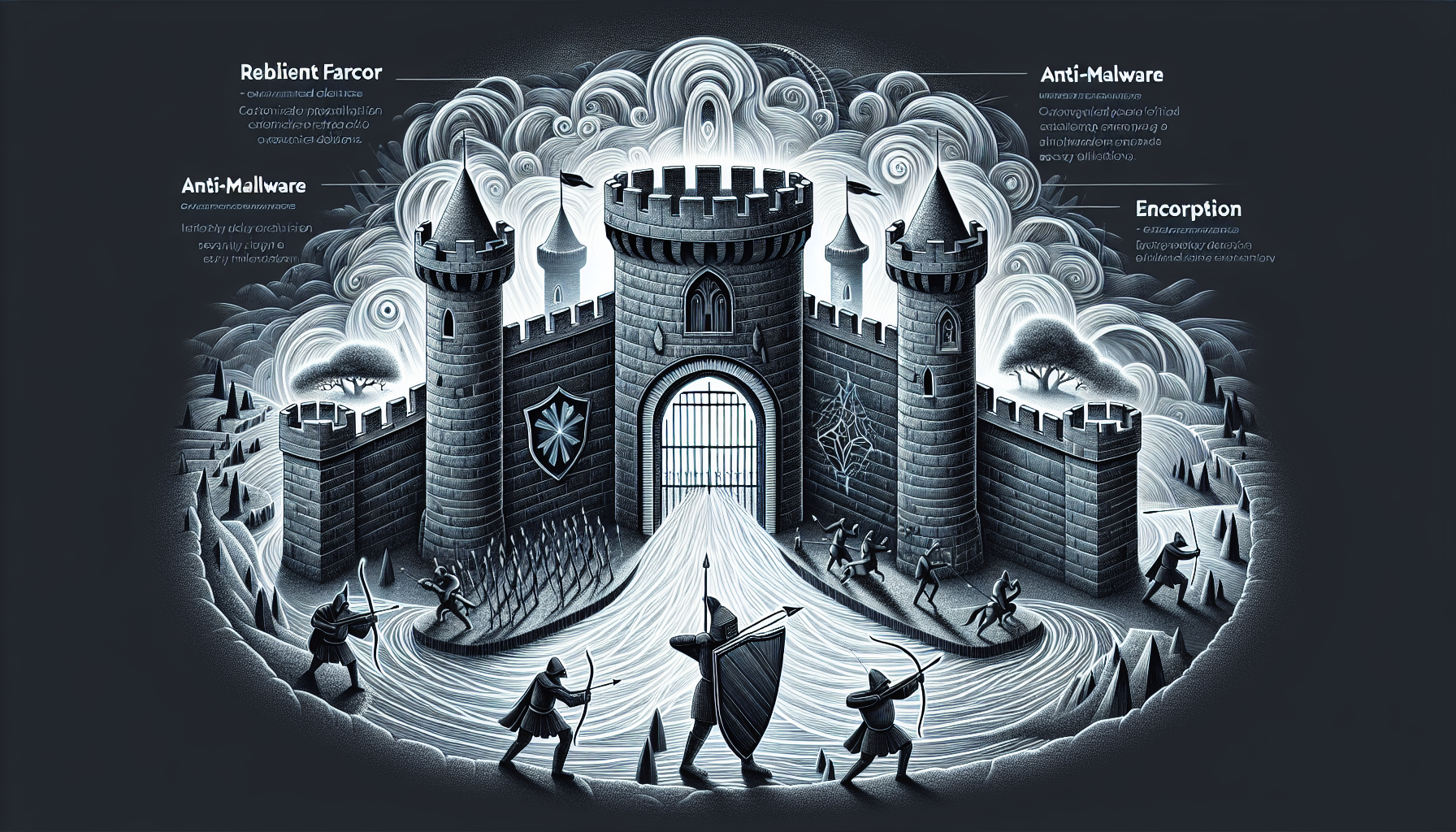
Imagine your organization as a castle. Your sensitive data is the treasure within, coveted by cyber marauders. A cybersecurity company is tirelessly working to safeguard your digital assets from these attackers.

Customized Security Solutions

Illustration of customized security solutions

Just as each organization is unique, so are its security needs. A one-size-fits-all solution may not address organization-specific threats effectively. Therefore, customized security measures, including unique configurations and systems, are designed to meet these threats.

Implementing these tailored, results-driven solutions delivers tangible enhancements in an organization’s security posture. This strategic advantage cannot be underestimated in the ever-evolving battlefield of cybersecurity.

Risk Assessments

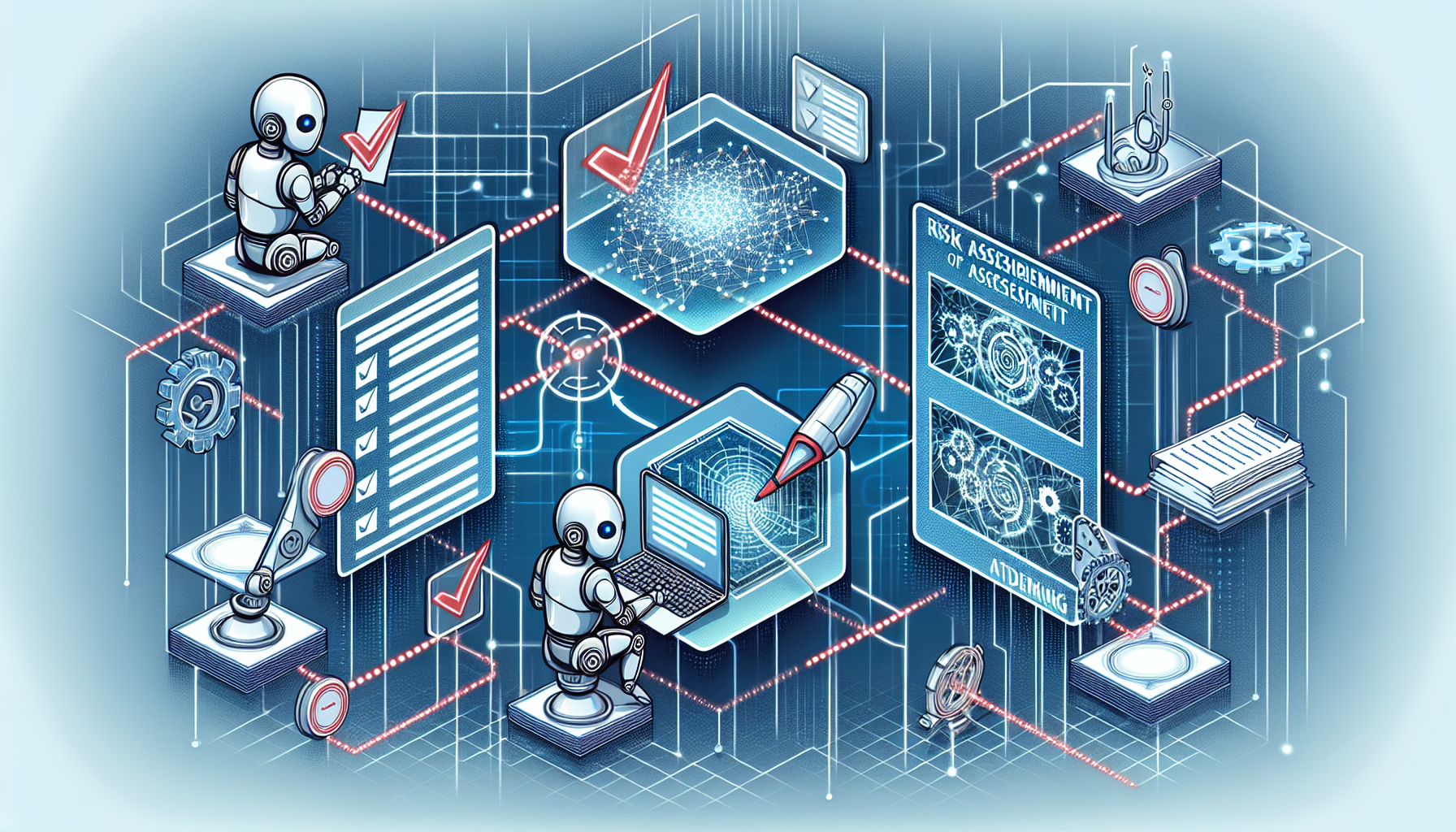
A critical component of cybersecurity is risk assessment, which entails evaluating threats to an organization’s IT systems and data and gauging the ability to defend against cyberattacks. It’s akin to a knight inspecting their armor for weak spots before heading into battle, assessing the cyber risk involved. Implementing risk management strategies can further strengthen an organization’s defense against potential threats.

Industry-leading security consultants perform more than 500 baseline security assessments per year to evaluate threats, including insider threats. The process includes defining cybersecurity threats, identifying security vulnerabilities, and determining the likelihood and impact of these threats.

A thorough risk assessment is comparable to a knight knowing their enemy’s attack patterns, enabling them to defend effectively and ensure victory.

Strategy Development

Development of a resilient security strategy is a key step in the cybersecurity journey. This involves identifying and prioritizing risks relevant to the organization’s cyber infrastructure. Subsequently, security controls are defined and implemented to manage these risks, aiming to reduce their likelihood or impact.

A robust security strategy is crucial for safeguarding an organization’s assets, systems, and people. And just as a knight would integrate new weapons into their existing arsenal, so too must a security strategy integrate with existing systems to maintain operational efficiency and avoid creating new security gaps.

Comprehensive Cybersecurity Services

Illustration of comprehensive cybersecurity services

Expert security consulting services offer a comprehensive suite of cybersecurity solutions, including:

  • Safeguarding businesses and infrastructure
  • Risk and compliance assessments
  • Audits
  • Vulnerability scanning
  • Penetration testing
  • Cyber-threat management

These services cover both the digital realm and the physical security measures, such as access controls, CCTV systems, and perimeter defenses.

To maintain resilience against cyber attacks, these consultants utilize advanced technologies like:

  • Automation
  • AI for ongoing threat monitoring
  • Enhancing breach detection
  • Enabling faster, more cost-effective response times.

Incident Response

Proactive incident response plans are essential to quickly address and minimize damage from security incidents.

The effectiveness of a cybersecurity company is significantly influenced by its response time and incident management capabilities during a security incident.

Security Training and Awareness

Equipping staff with the latest security knowledge and practices is as important as deploying cutting-edge cybersecurity measures. Customized user training is part of tailored cybersecurity defense, educating staff on current threats and safe online practices.

Annual IT Security Health Check programs, such as offered by Beyong Technology, will keep your company abrest of any potential risks. T

Building a Resilient Security Posture

Illustration of a holistic security posture

A robust security posture involves more than just digital security. Cybersecurity consultants adopt a holistic approach, embracing all aspects of security, from digital to physical measures. They focus on managing organizational risk, providing effective incident response, and building resilience against cyber threats.

It is vital for organizations to understand their specific risks, effectively communicate these to stakeholders, and allocate resources appropriately for risk mitigation.

Continuous Monitoring

Keeping pace with the rapidly evolving threat landscape requires continuous monitoring, enabling early detection of security threats and vulnerabilities.

Continuous monitoring enhances visibility into IT environments, scrutinizing network security, user activities, and system logs for any suspicious behaviors. This vigilant watch also plays a critical role in ensuring ongoing compliance with regulatory standards, such as HIPAA, PCI DSS, GDPR, and NIST 800-53.

Regulatory Compliance

Adherence to regulatory compliance is vital for businesses to ensure operations remain within legal boundaries and to evade any legal issues. By adhering to local and international security standards, businesses can safeguard against current and emerging threats.

For instance, businesses aiming for PCI DSS compliance can benefit from services like gap analysis, remediation guidance, and annual validation audits provided by Beyond Technology. Moreover, organizations engaged with the Australian Government can ensure the security of sensitive data through IRAP assessments and adhering to the PSPF/ISM frameworks with the help of Beyond Technology.

Choosing the Right Cybersecurity Partner

Illustration of selecting a cybersecurity partner

Choosing the right cybersecurity partner is like choosing the right knight to protect your castle. They must understand their specific cybersecurity needs to tailor services to their unique circumstances.

A cybersecurity consulting firm’s proven track record, excellent service, and a solidified reputation can be indicative of their ability to protect an organization effectively. Consultants with in-depth expertise and a specialization in solving complex security challenges are fundamental when choosing a cybersecurity partner.

Expertise and Experience

The leaders of cybersecurity consulting firms in Australia:

  • Are at the forefront of cybersecurity research
  • Have built industry partnerships with leading universities
  • Showcase their high level of expertise
  • Are recognized for being the best at what they do

This further underlines their expertise.

A specialized team focusing on cybersecurity and surveillance, along with core expertise in government security, allows for a comprehensive approach to tackling diverse security challenges and addressing security priorities.

Client-Centric Approach

A client-centric approach in cybersecurity consulting values collaboration, ensuring clients are involved and informed during the cybersecurity process. Tailored cybersecurity services that adapt to the specific needs of an organization highlight the client-centric nature of a cybersecurity partnership.

Independent testing enhances customer and partner confidence and demonstrates a cybersecurity firm’s commitment to protecting client data based on high standards.

Real-life Success Stories

Expert cybersecurity consultants use their understanding of the evolving cyber threat landscape to help organizations navigate complex security challenges. Their success stories, like that of Beyond Technology, attest to their ability to align cybersecurity measures with business goals, emphasizing the critical role consultants play in facilitating a secure and successful digital transformation.

Summary

In this digital age, cybersecurity consulting is more than just a need; it is a necessity. From guarding against evolving cyber threats and protecting sensitive data to implementing tailored security solutions and providing a comprehensive suite of cybersecurity services, expert Beyond Technology cybersecurity consultants with their holistic approach, continuous monitoring, and focus on regulatory compliance further fortify your digital assets.

Frequently Asked Questions

What is cyber security consultation?

Cyber security consultation involves accessing expertise for 24/7 support, focusing on core business while meeting security and compliance requirements, and minimizing the need to track and manage changing regulatory standards. A cybersecurity consultant identifies problems, evaluates security issues, assesses risk, and implements solutions to address threats to a company’s computer networks and systems.

Does Beyond Technology do cybersecurity?

We offer a Annual IT Security Health Check service, this allows us to address clients’ cybersecurity issues effectively.

What does a cyber security consultant do?

A cybersecurity consultant plays a crucial role in identifying vulnerabilities, assessing risks, and implementing solutions to defend against threats to an organization’s computer networks and systems. They help businesses implement effective security measures and ensure compliance with industry regulations.

What comprises a comprehensive suite of cybersecurity services?

A comprehensive suite of cybersecurity services comprises risk assessments, penetration testing, incident response, and physical security solutions, among others. This enables thorough protection against potential threats.

How important is regular and continuous monitoring in cybersecurity?

Regular and continuous monitoring in cybersecurity is pivotal for early detection of security threats and vulnerabilities, allowing you to keep pace with the rapidly evolving threat landscape.

Cyber security audit: what it covers, how it runs, and what the report should tell you

Cyber security audit: what it covers, how it runs, and what the report should tell you

A cyber security audit is only useful if it answers the questions the board actually has. Here is what a proper one covers, how it differs from a penetration test or a vendor review, and what should be in the report.

A cyber security audit is an independent assessment of how well an organisation’s security controls, practices and readiness stand up against a stated benchmark. Done properly, it answers the question boards actually ask, which is not “are we secure?” but “where are we exposed, how much does it matter, and what should we fix first?” This article sets out what a proper audit covers, how it differs from the things that get sold under the same name, how the process runs, and what the report at the end should tell you.

What a cyber security audit is, and what it is not

The term gets used loosely. Three things are regularly called an audit and are not one.

A vulnerability scan is an automated tool run against your systems that lists known weaknesses. It is useful, cheap and shallow. It tells you nothing about whether your staff would click the link, whether your administrator accounts are shared, or whether anyone has tested the backup restore.

A penetration test is a controlled attempt to break in through a defined set of systems on a defined day. It is a point-in-time test of technical defences, valuable when you already know your controls are in reasonable shape and want them pressure-tested.

A vendor security review is an assessment run by a managed service provider, reseller or security vendor, and it ends in a quote. The findings may be accurate, but the person producing them is paid when you buy the remediation, so the gap has a way of being exactly the size of their product.

An audit sits above all three. It assesses controls, configuration, process, people and readiness against a benchmark, produces evidence rather than assertions, and ranks what it finds by risk and effort. Its usefulness rests entirely on the auditor having no stake in what the findings turn out to be.

The types of audit Australian organisations commission

Scope follows the decision in front of you. In our experience the engagement usually falls into one of four shapes.

Essential Eight maturity assessment

The Australian Signals Directorate’s Essential Eight is the most common benchmark for Australian organisations, and the one most boards have heard of. The audit establishes which maturity level you genuinely sit at for each of the eight strategies, with evidence behind each rating rather than a self-assessment. Worth noting: the ASD has signalled a move away from the Essential Eight toward outcome-based expectations, so a current audit should record the evidence in a way that survives the change. We cover that shift in The Essential Eight is being retired.

Information security and privacy health check

Broader than the Essential Eight. It takes in platform configuration (most often Microsoft 365), identity and access management, controls over staff use of AI tools, network and device access, end-user awareness, and whether a response plan exists with clear roles. It is the right shape when the question is “how exposed are we, overall?” rather than “how do we rate against one framework?”

Compliance-driven review

Some audits are shaped by an obligation: the Privacy Act and the reforms landing in 2026, APRA’s prudential standards for regulated entities, the Security of Critical Infrastructure Act for designated operators, or a client contract that requires ISO 27001 or SOC 2 alignment. Here the benchmark is set for you, and the audit’s job is to show where you stand against it and what closing the gaps would take.

Incident readiness review

Sometimes the prompt is not a framework but a fear: what happens on the day. This audit tests the response plan, the roles, the communications, the backups and the recovery, usually through a walkthrough or a simulated incident. It tends to be the one that changes behaviour fastest, because it makes the gap concrete.

What a proper cyber security audit covers

Whatever the shape, a credible audit looks at the same seven areas. If a proposal skips several of them, ask why.

  • Security posture against the benchmark. Where you sit against the Essential Eight or the standard you have chosen, with evidence for each rating.
  • Core platform configuration. For most Australian organisations that means the Microsoft 365 tenancy: how it is set up, what is switched on, and what is switched off that should not be.
  • Identity, credentials and access rights. How identities are managed, how credentials are protected, whether multi-factor authentication actually covers the accounts that matter, and who still holds rights they no longer need.
  • AI controls. Whether staff use of generative AI tools is governed at all, and what organisational data is leaving through them.
  • Network and device access. Access control and countermeasures across the network and every device on it, including the ones nobody remembers connecting.
  • People. Whether staff know what suspicious looks like and what to do about it. Most incidents start with a person, so this is not the soft part of the audit.
  • Response readiness. Whether a response plan exists, whether roles and responsibilities are clear, and whether any of it has been tested outside a document.

How the audit runs

A well-run audit has a rhythm to it, and the rhythm matters more than the tooling.

  1. Scope. Agree the questions the audit must answer and the benchmark it is measured against. This is where cost is set, so it should be a conversation, not a form.
  2. Evidence. Gather configuration exports, access lists, policies, training records, incident logs and the response plan. Interviews with the people who run the systems and the people who use them.
  3. Assessment. Test what the evidence shows against the benchmark and, just as importantly, against what the organisation actually needs. A control that meets the standard but that nobody follows is a finding.
  4. Prioritisation. Rank findings by the risk they carry and the effort to close them. Two columns, not one. A high-risk gap that costs an afternoon to fix goes to the top; a low-risk gap that needs a new platform goes to the bottom, however impressive the platform.
  5. Report and walkthrough. Findings in plain language, presented to the executive or board, with the auditor in the room to answer the questions the document raises.
  6. Act, then re-audit. The findings become a plan with owners and dates. Twelve months later the audit runs again, because the threat environment will have moved even if you have not.

What the report should tell you

The report is the product, so judge the audit by it. A useful one has five properties.

It states the benchmark and the scope plainly, so nobody later argues about what was and was not assessed. It gives each finding a risk rating and an effort rating, and explains both in a sentence a non-technical director can follow. It separates configuration gaps (fixable by the people you already pay) from process gaps (fixable by a decision) from capability gaps (which may need spend). It records the evidence behind each rating, so the next audit can measure movement. And its recommendations are sized to your organisation: budget, staff, appetite for change.

If the report reads like a product proposal, it is one. If every recommendation resolves to a purchase from the firm that wrote it, you have paid for a sales document.

Internal, external, or independent?

Internal audits, run by your own IT or risk function, are valuable for continuity and cheap to repeat, but they inherit every blind spot the organisation already has. External audits bring outside eyes, but “external” is not the same as “independent”. The question to ask any external auditor is simple: what do you sell? If the answer includes the products, licences or managed services that the findings might recommend, the audit is conflicted before it starts.

Independence means the auditor has no financial interest in the outcome. No reseller margin, no implementation contract, no managed service to protect. It is the single property that makes the findings trustworthy, and it is the reason Beyond Technology sells nothing but the advice.

How to choose an auditor

Five questions sort the field quickly.

  • What do you sell besides the audit? The right answer is “nothing”.
  • Which benchmark will you assess us against, and can we see a sample report?
  • Who does the work: senior consultants who have run technology functions, or a junior with a checklist?
  • Will the findings be ranked by risk and effort, and will you present them to the board in person?
  • What happens to the findings afterwards? The right answer is “they are yours: act on them internally, hand them to your provider, or engage us. All three are fine.”

What drives the cost

We do not publish a price for an audit because scope sets it, and scope is a conversation. The variables are the breadth of the benchmark, the number of platforms and sites in scope, how much evidence already exists (a well-documented environment audits faster), the number of people to interview, and whether you want a walkthrough or a simulated incident included. A focused Essential Eight check is a different engagement from a full information security and privacy review across several business units. Any credible auditor will give you a fixed proposal before starting, and none of it should depend on what you buy afterwards.

Preparing for the audit

Preparation is mostly about access and openness. Nominate one person who can grant read access to the platforms in scope and reach the people who run them. Pull together whatever exists: policies, the last risk register, the response plan, training records, the contract and reporting from your managed service provider. Do not tidy up first. An audit of the environment you wish you had is worthless; the point is to see the one you have.

Frequently asked questions

How often should a cyber security audit be done?

Annually is standard practice for Australian organisations, and some regulated industries have mandatory assessment cycles. The threat environment changes fast enough that an organisation which has not materially improved its position in twelve months has usually gone backwards in relative terms.

What is the difference between a cyber security audit and a cyber health check?

Mostly scope and depth. A health check is a lighter, faster assessment designed to give an executive team a quick read on posture and priorities. An audit goes deeper on evidence and is the right choice when a regulator, insurer, client or board needs a defensible position.

Does a small organisation need one?

If technology decisions land on an owner, a finance manager or an operations lead with a full-time job already, yes, and the audit should be sized accordingly. Smaller organisations are targeted precisely because attackers expect the controls to be thin.

Can the audit be scoped to one thing, like our Microsoft 365 set-up?

Yes. A narrow, well-chosen scope is often the right first step, provided the report is clear about what it did not look at.

What happens after the audit?

The findings become a prioritised plan with owners and dates. You can run that plan internally, hand it to your provider, or engage us to help govern it. What we will not do is sell you the remediation, because that would make the next audit worthless.

Ready to talk?

Independent perspective. One conversation away.

A 30-minute conversation with a partner is the simplest way to see where your organisation stands. No pitch, no sales process – just a senior view of where you are and where the priorities should sit.

Cybersecurity Services & Consulting allowing your business to navigate digital threats with confidence

In today’s digital era, where cybersecurity threats evolve rapidly, ensuring robust digital defences is paramount for every organisation. Beyond Technology Consulting stands as your vanguard in this dynamic cybersecurity landscape, offering specialized guidance and insights to safeguard your digital assets effectively.

Our Cybersecurity consultants play a pivotal role in fortifying IT infrastructure against digital threats, offering tailored security strategies, and adapting to evolving technologies such as IoT, AI, and cloud computing to protect businesses. Beyond Technology, cyber security audits provide actionable advice on how your security posture rates compare to your peers and the Essential Eight, and what areas of risk have increased since your last review.

View our Cybersecurity Services Here

Understanding Cybersecurity Consulting

Our cybersecurity consulting audit is much more than a service; it’s a lifeline for organisations navigating the murky waters of digital threats. Beyond Technology is the strategist of this digital landscape, with our expert knowledge to fortify IT infrastructure and provide tailored security audits as part of their professional services.

Beyond Technology continuously adapts to technological developments and threats, implementing cutting-edge measures to ensure the integrity of your digital processes.

Solutions for Evolving Cyber Threats

In the rapidly evolving landscape of cyber threats, staying one step ahead of cybercriminals is crucial. Our cybersecurity consultants consider cutting-edge security strategies to meet the challenges posed by new technologies such as the Internet of Things (IoT), artificial intelligence (AI), and cloud computing.

Our constant awareness of the latest threats assists businesses in maintaining their defence.

Protecting Your Digital Asset.

Protecting your digital assets is not just about guarding your data; it’s about preserving your business’s reputation and customer trust. Beyond Technology’s cybersecurity audit helps businesses achieve this by focusing on operations security and risk management. We identify the most effective protection audit tailored to specific needs, ensuring the integrity of digital processes.

Identify your Cyber Security risks today with our Cyber Security Health Check

Crafting a Robust Cyber Risk Management Plan

A cyber risk management plan is a continuous process, ideally one that should be conducted annually that includes the following steps:

  1. Identify cybersecurity threats
  2. Analyse and evaluate the identified threats
  3. Assess vendor risk
  4. Identify emergent risks and internal weaknesses

Implementing a unified, disciplined approach across a broad range of functions within an organisation is crucial for effective cyber risk management.

Identifying Potential Cyber Risks

Crafting a robust cyber risk management plan necessitates the crucial step of identifying potential cyber risks, including all information security risks. It requires a clear understanding of threats, vulnerabilities within systems, and the potential significant consequences that can arise when these elements converge.

Prioritizing and Mitigating Risks

Following the identification of risks, they must undergo analysis, prioritization, and mitigation. This involves:

  1. Classifying risks based on their likelihood of occurrence and potential impact on the organisation.
  2. Giving priority to the protection of critical assets and sensitive data.
  3. Providing an overview of available mitigation measures ranging from technical solutions to best practices such as governance processes and implementing security training programs.[AF1] 

Proactive Defence: Cyber Incident Response

A good offence serves as the best defence in the realm of cybersecurity. This is where proactive defence strategies such as Cyber incident response planning come in..

Cyber Incident response planning and attack simulations ensure preparedness for effective handling of security incidents. Together, they form a proactive defence strategy that anticipates and responds to cyber threats.

Transforming Cybersecurity with Advanced Technologies

As technology evolves, so does cybersecurity. Advanced technologies such as AI and machine learning are transforming the way organisations approach cybersecurity. These technologies:

  • Automate threat detection and response
  • Enhance threat intelligence by analysing large datasets to detect patterns indicative of cyber threats
  • Train security systems to recognize and categorize various cyber threats

By understanding these advanced technologies with our deep industry knowledge, we tailor our advice to our specific client needs.

Leveraging AI for Threat Intelligence

In the arena of cybersecurity, Artificial Intelligence acts as a game-changer. AI-driven threat intelligence provides:

  • Early warnings of impending cyber threats
  • Adaptation to evolving attacker tactics
  • Enhanced detection of sophisticated phishing attempts that may not be caught by traditional security measures.

AI also contributes to operational efficiency by providing rapid security insights and minimizing the distraction of daily security alerts and false positives. In essence, AI is transforming the way businesses approach and manage cybersecurity.

Summary

In this digital age, cybersecurity is not just about protecting data; it’s about safeguarding the very essence of your business. From understanding the role of cybersecurity to exploring proactive defence strategies. Whether it’s crafting a robust cyber risk management plan, or leveraging AI for threat intelligence, it’s clear that a strategic and cyclical approach to cybersecurity is key to navigating digital threats with confidence.


Contact Form

Fractional CIO Services: A Strategic Guide

This is the guide. If you are looking for the service itself, see Beyond Technology fractional CIO services, including what an engagement covers and how it is priced.

Navigating the complexities of IT strategy is daunting for any business, especially for those without a dedicated CIO. Fractional CIO services bridge this gap, offering small to medium-sized businesses the expertise and strategic direction necessary to excel technologically without incurring the expense of a full-time position. At Beyond Technology we believe in an agnostic & transparent approach, to this end we’ve layed out how such services can sharpen your competitive edge, aligning IT with your core business objectives effectively.

Fractional CIO Key Takeaways

  • Fractional CIO services provide medium-sized businesses, typically with 100+ FTE’s with strategic IT leadership and expertise at a lower cost than a full-time CIO, enabling them to stay competitive and adapt to market changes.
  • Hiring a fractional CIO offers benefits such as cost optimisation on operational expenses, IT strategy expertise to align technology to business requirements, providing technical governance and an external perspective that can help reduce risk and enhance efficiency in IT operations.
  • The success of engaging a fractional CIO hinges on selecting the right partner with industry experience, strategic vision, strong communication skills, and a track record of aligning technology with business objectives.

The Role and Impact of Fractional CIO Services

Fraction CIO Service

Fractional CIOs do more than just manage a company’s technology strategy. They are pivotal in:

  • Focusing on data security and cyber risks
  • Optimizing IT systems
  • Fostering innovation and growth
  • Synchronizing the company’s IT infrastructure with broader business objectives

These skills, stemming from business expertise, deep technical understanding, and industry experience, prove invaluable in addressing business challenges and making strategic technology investments, boosting competitiveness and adaptability in a fluctuating market.

Fractional CIO services, also known as fractional chief information officer services, offer a cost-effective, flexible solution for medium-sized businesses that need strategic IT leadership but may not have the resources for a full-time CIO. Businesses gain access to specialized skills and industry insights brought in by a fractional or interim CIO, who stays abreast with current IT trends, best practices and practical experience due to their work with multiple clients across various sectors.

The transformative influence of a fractional CIO becomes evident in how they:

  • Weave technology into business strategies
  • Build a robust IT governance framework that bolsters business expansion
  • Provide an unbiased perspective, bridging the gap between technology and business
  • Ultimately drive organizations forward in the digital age.

The Growing Demand for Fractional CIOs

The rising demand for fractional CIOs is propelled by several significant factors, such as the very tight skills market and ongoing budgetary constraints. Companies that cannot afford a full-time executive can leverage the strategic guidance of a fractional CIO at a lower cost, making it a viable solution. This is particularly beneficial for startups and growing businesses, which can establish efficient technology infrastructure on limited budgets.

A further impetus for the increasing demand is the expanding skills gap in the realm of IT expertise. As reported by the Global Knowledge IT Skills and Salary Report, there is an increased need for fractional CIOs to fill these specialized roles. They offer strategic IT vision, technology navigation, and team coaching on a part-time basis, aligning with leadership and providing an IT roadmap tailored to the company’s resources.

Furthermore, the dynamic business environment necessitates the ability to rapidly adapt technology roadmaps to evolving business needs and market conditions. This ability to leverage technology for business growth and respond to regulatory changes fuels the demand for fractional CIOs.

Key Benefits of Hiring a Fractional CIO

A Fractional CIO offer cost-effectiveness by providing access to top-tier executive expertise without the full-time expense, leading to significant operational cost savings. This is particularly advantageous for growing businesses needing to stay competitive in the tech-driven market.

An additional significant advantage is the specialized expertise that fractional CIOs contribute. Companies can fill IT skills gaps when they hire a fractional CIO, gaining access to deep industry knowledge and cutting-edge insights. This specialized expertise allows companies to stay flexible and agile in their IT strategy, with services that can easily scale to match current business needs.

Thanks to their wide-ranging experience, a fractional CIO can aid in reducing risk and enhancing efficiency within IT operations. They also offer a fresh, outside perspective on technology strategies, free from the potential bias and politics of internal decision-making.

View our Fractional CIO Subscription Services.

Enhancing Business Processes Through Fractional CIO Services

Fractional CIOs can play a crucial role in refining business processes. Mapping existing workflows, identify core problems, and restructure and digitize workflows results in improved performance, reduced errors, and cost savings. They also leverage tech trends to drive business and technology transformation, guiding migrations to cloud environments.

In this age of decision-making guided by data, fractional CIOs take on a pivotal role in prioritising the automation of data collection and entry. This not only improves the accuracy of data but also facilitates insight-driven planning, enhancing decision-making and operational efficiency.

Furthermore, fractional CIOs will provide strategic technology leadership, offering guidance on IT budget and costs, program management, and business process reengineering. This helps to streamline operations and drive cost-effective project completions.

Selecting the Right Fractional CIO for Your Business

Choosing the appropriate fractional CIO for your business is vital for its enduring success. A prospective fractional CIO must possess deep relevant experience and technical knowledge. They must be capable of contributing immediately to the company through strategic planning and risk management. A fractional CIO’s role extends beyond addressing technical needs. They must also align IT strategy with long-term business goals, providing strategic visioning and leadership in IT. At Beyond Technology, we have optimised the approach to matching the right Fractional CIO to your business.

Effective communication and an adept problem-solving approach are critical for a fractional CIO. They need to frequently interact with the leadership and tackle complex IT challenges. Therefore, excellent communication skills are a must.

Finally, when selecting a CIO, we at Beyond Technolgoy take into account the following factors:

  • Their industry experience and expertise
  • Their ability to understand and align with your company’s strategic tech decisions
  • Their track record of success in implementing and managing technology solutions
  • Their flexibility and adaptability to changing business needs
  • Their trustworthiness and integrity

Evaluating these factors will help you select a CIO who is qualified and aligned with your company’s needs.

Case Studies: Success Stories of Fractional CIO Engagements

Beyond Technology, which has a proven track record in successfully delivering impactful Fractional CIO’s and executing effective IT strategies, including technology initiatives. We can assist in enabling within your business the power of fractional CIO services in driving business growth and leveraging technology systems across a range of industries.

Preparing Your Organization for a Fractional CIO

Preparation is paramount when incorporating a fractional CIO into your organization. We start by defining specific needs and goals to identify areas where their expertise is needed. This could include assessing current technology, identifying gaps, and areas of potential technology growth.

Subsequently, delineate the roles, objectives, and responsibilities for the fractional CIO. Establishing clear expectations and maintaining regular communication will ensure their alignment with the organization’s vision. It’s also important to understand the optimal timing for bringing on a fractional CIO, aligning it with the organization’s:

  • budgetary constraints
  • growth opportunities
  • skills gaps
  • security concerns

Finally, together we furnish the fractional CIO with the necessary resources, including company information and tools. This is essential for enabling them to fulfill their responsibilities and perform effectively.

Summary

As businesses navigate the constantly evolving digital landscape, fractional CIO services have emerged as a strategic solution to leverage technology effectively. They provide cost-effective, flexible solutions, aligning IT infrastructure with business goals, and driving innovative growth. Whether you’re a startup or a medium-sized growth business, fractional CIOs can provide the specialized expertise needed to stay competitive.

Selecting the right fractional CIO and building a strong relationship is crucial for the success of your IT strategy. As with any role, there are challenges to overcome, but with the right strategies, you can mitigate these issues and leverage the expertise of a fractional CIO to drive your business forward. To find out more about how Beyond Technology can assist with enabling your business with a Fractional CIO

Frequently Asked Questions

What is CIO services?

CIO services refer to the provision of strategic IT leadership to align technology with business objectives, helping organizations maximize their technology investments and have effective technical governance. Hiring a CIO as a Service can provide the necessary IT leadership for any organization.

What are fractional CIO services?

Fractional CIO services are part-time or interim chief information officer services, allowing businesses to benefit from an experienced professional’s expertise without the expense of a full-time role. This provides startup or medium-sized growth businesses the opportunity to access the capabilities of a CIO without the need for a full-time executive.

What is the role of a fractional CIO?

A fractional CIO plays a crucial role in managing a company’s technology strategy, focusing on data security, IT systems, innovation, and growth. They also ensure effective technical governance and alignment between IT and business objectives.

Why is the demand for fractional CIOs growing?

The demand for fractional CIOs is growing due to the growing skills war and ongoing budgetary constraints, the need for specialized IT expertise, and the ability to rapidly adapt technology roadmaps to evolving business needs and market conditions.